Currently, Synchrony offers low monthly payments and many financing options. You can have your home repaired now and pay later with one of Synchrony's six monthly payment programs.
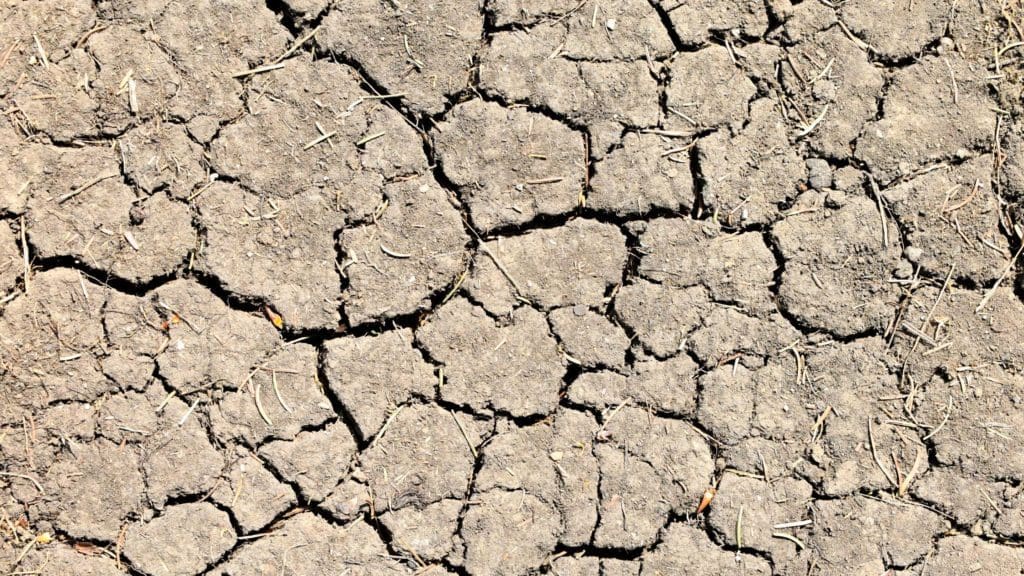
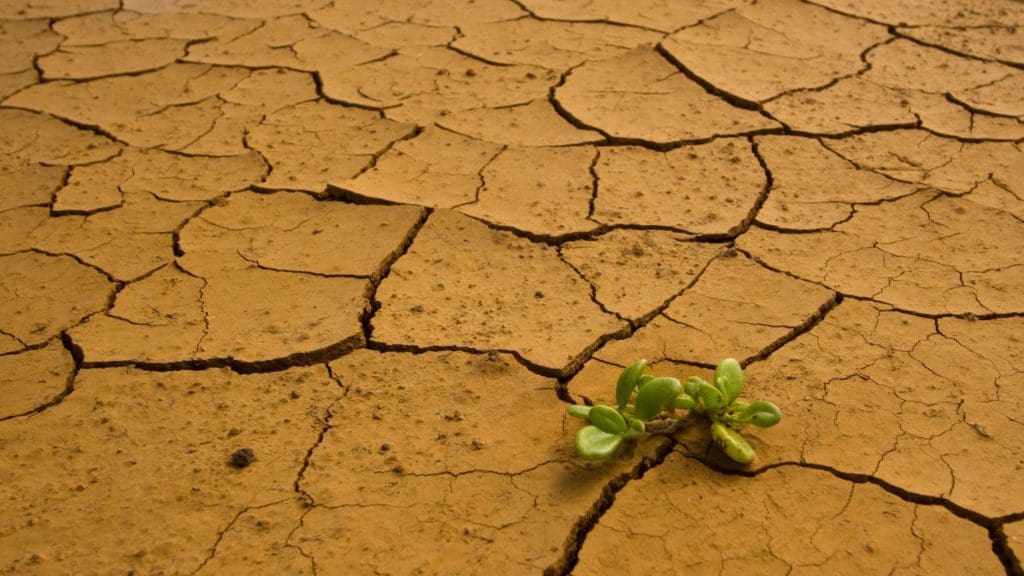
Houston can experience long periods of time without rain. You need to act accordingly for the health of your foundation, as periods of extreme weather can damage your structure without foundation irrigation.
Because the foundation plays a crucial role in the overall construction quality as well as the building stability and durability, it must be strong enough to support the weight of your home and withstand the stresses resulting from temperature fluctuations, slight soil movement, and hydrostatic pressures.
Low temperatures along with occasional snowfall, freezing rain, and ice can irreversibly affect your foundation and cause extensive structural damage throughout your home.
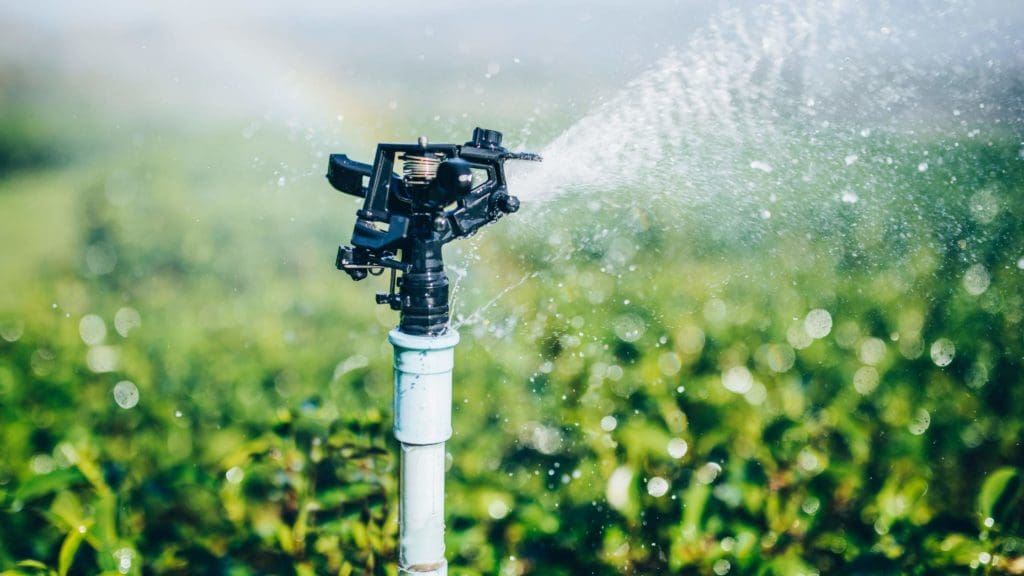
The good news is that serious foundation problems caused by drought could be relatively easy to avoid by keeping the soil around and under your foundation evenly moist.
Water pooling around your foundation can lead to various issues, including pest infestations, wood rot, mold growth, and extensive damage to your home and additional structures like walkways, driveways, porches, and patios.
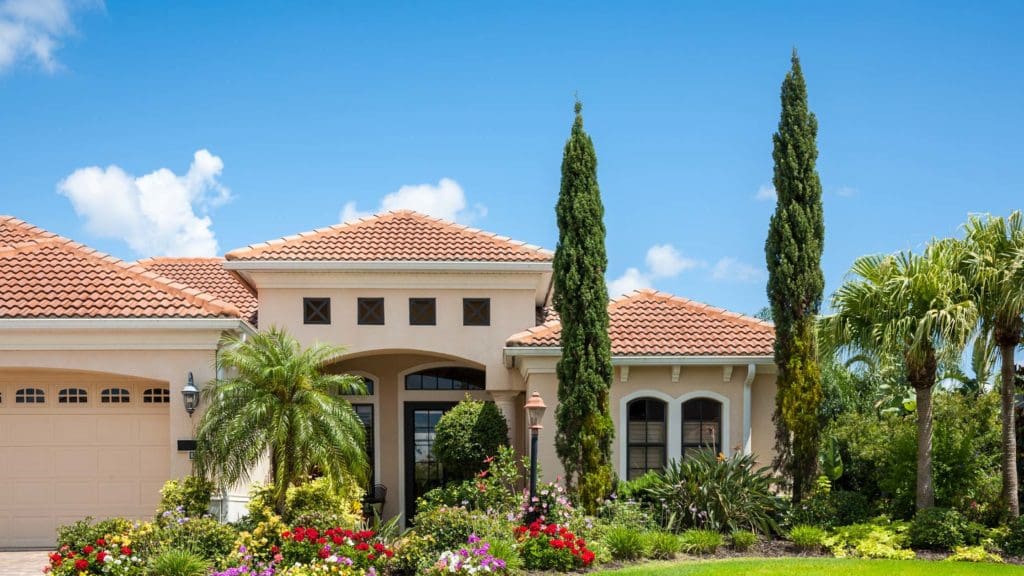
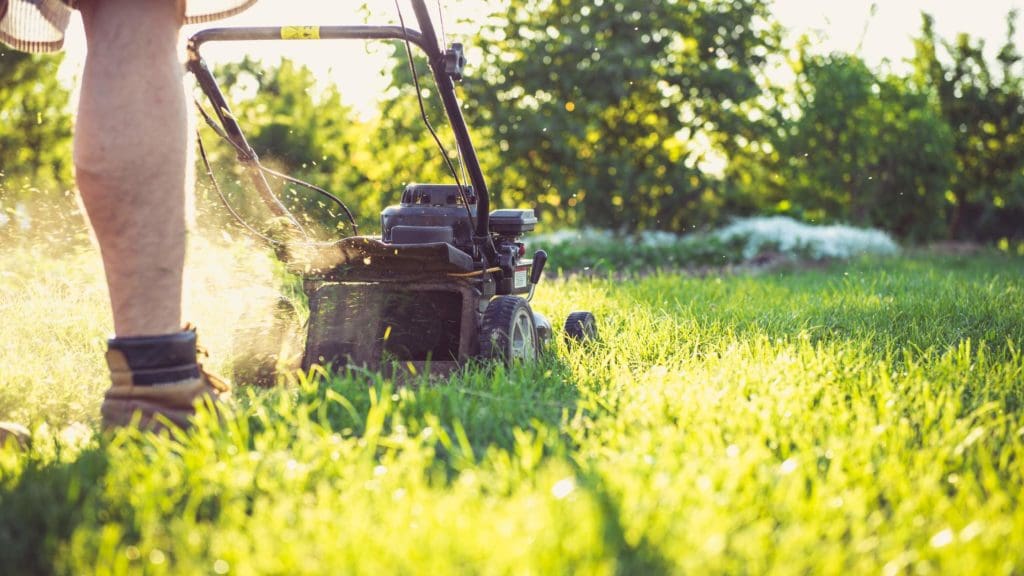
Find out how you can prepare and maintain your lawn in order to prevent foundation damage during the hottest summer months.
Identifying and Addressing Soil Movement Risks
The foundation of a home must be able to withstand various environmental stresses, including soil movement. Soil movement can be caused by factors like temperature fluctuations, erosion, and changes in moisture levels. Proactively addressing these risks can help protect the integrity of your home's foundation.
By understanding the specific soil conditions in your local area and taking preventative measures such as proper drainage, strategic landscaping, and regular foundation inspections, you can mitigate the impact of soil movement and ensure the long-term stability of your home.
Maintaining Proper Drainage Around the Foundation
Proper drainage around the foundation is crucial for preventing water-related issues that can compromise the structural integrity of your home. Pooling water near the foundation can lead to problems like pest infestations, wood rot, and mold growth, which can result in extensive damage over time.
By implementing effective drainage solutions, such as strategically placing downspouts, installing French drains, and ensuring proper grading around the foundation, you can effectively redirect water away from the critical areas and safeguard your home's foundation.
Addressing Foundation Cracks and Settling
Cracks and settling in the foundation can be early warning signs of more serious structural issues. These problems can be caused by a variety of factors, including soil movement, hydrostatic pressure, and even natural settling over time.
Identifying and addressing foundation cracks and settling promptly is essential to prevent further damage and ensure the long-term stability of your home. Consulting with a professional foundation repair specialist can help you develop a targeted solution to address the root cause of the problem and restore the structural integrity of your home.
Preparing for Extreme Weather Conditions
The foundation of your home must be able to withstand the challenges posed by extreme weather conditions, such as heavy rainfalls, droughts, and freezing temperatures. These environmental factors can have a significant impact on the soil and, consequently, the foundation's stability.
By proactively preparing your home's foundation for extreme weather events, you can mitigate the risk of damage and ensure your home remains secure and safe. This may involve measures like improving drainage, reinforcing the foundation, and consulting with experts to develop a comprehensive plan for weatherproofing your home.
Identifying and Addressing Soil Movement Risks
The foundation of a home must be able to withstand various environmental stresses, including soil movement. Soil movement can be caused by factors like temperature fluctuations, erosion, and changes in moisture levels. Proactively addressing these risks can help protect the integrity of your home's foundation.
By understanding the specific soil conditions in your local area and taking preventative measures such as proper drainage, strategic landscaping, and regular foundation inspections, you can mitigate the impact of soil movement and ensure the long-term stability of your home.
Maintaining Proper Drainage Around the Foundation
Proper drainage around the foundation is crucial for preventing water-related issues that can compromise the structural integrity of your home. Pooling water near the foundation can lead to problems like pest infestations, wood rot, and mold growth, which can result in extensive damage over time.
By implementing effective drainage solutions, such as strategically placing downspouts, installing French drains, and ensuring proper grading around the foundation, you can effectively redirect water away from the critical areas and safeguard your home's foundation.
Addressing Foundation Cracks and Settling
Cracks and settling in the foundation can be early warning signs of more serious structural issues. These problems can be caused by a variety of factors, including soil movement, hydrostatic pressure, and even natural settling over time.
Identifying and addressing foundation cracks and settling promptly is essential to prevent further damage and ensure the long-term stability of your home. Consulting with a professional foundation repair specialist can help you develop a targeted solution to address the root cause of the problem and restore the structural integrity of your home.
Preparing for Extreme Weather Conditions
The foundation of your home must be able to withstand the challenges posed by extreme weather conditions, such as heavy rainfalls, droughts, and freezing temperatures. These environmental factors can have a significant impact on the soil and, consequently, the foundation's stability.
By proactively preparing your home's foundation for extreme weather events, you can mitigate the risk of damage and ensure your home remains secure and safe. This may involve measures like improving drainage, reinforcing the foundation, and consulting with experts to develop a comprehensive plan for weatherproofing your home.